

Vizuara AI Labs · Research Cohort · Grades 9–12

AI High School
Researcher Program

Transform your passion for AI into published research. Join our elite 7-week program designed by MIT and Purdue PhD graduates, and finish with a paper of your own.

0
Weeks · Live Cohort
0
Students per Cohort
0
Published Works
Our Network & Affiliations: publishing venues, alumni institutions & student affiliations
MIT Purdue University IIT Madras UC Berkeley arXiv Journal of Emerging Investigators
The Program

A comprehensive AI research program

Our program combines theoretical foundations with practical research experience, culminating in research papers.

Live AI/ML lectures Part I · Learn

Live Lectures

Seven weeks of intensive live lectures (1.5 hours each session), covering machine learning and deep learning concepts. Curriculum designed by our founding team, delivered by Vizuara's AI/ML instructor team.

  • ML vocabulary, data foundations & statistical models
  • Neural networks & computer vision foundations
  • Large language models & prompt engineering
  • Hands-on experience building AI/ML projects
Research publishing Part II · Publish

Research Paper Writing

Work on real AI/ML research problems and publish your findings in prestigious academic journals and conferences.

  • Hands-on research projects
  • Thorough review process
  • Submission to top-tier venues
  • One-on-one mentorship

Weekly Live Session Timings

Join us every week at these convenient times across different time zones:

India flag
India
8:00 PM IST
Singapore flag
Singapore
10:30 PM SGT
UK flag
UK
2:30 PM GMT / 3:30 PM BST
US flag
US
6:30 AM PST | 9:30 AM EST
Meet the Founders
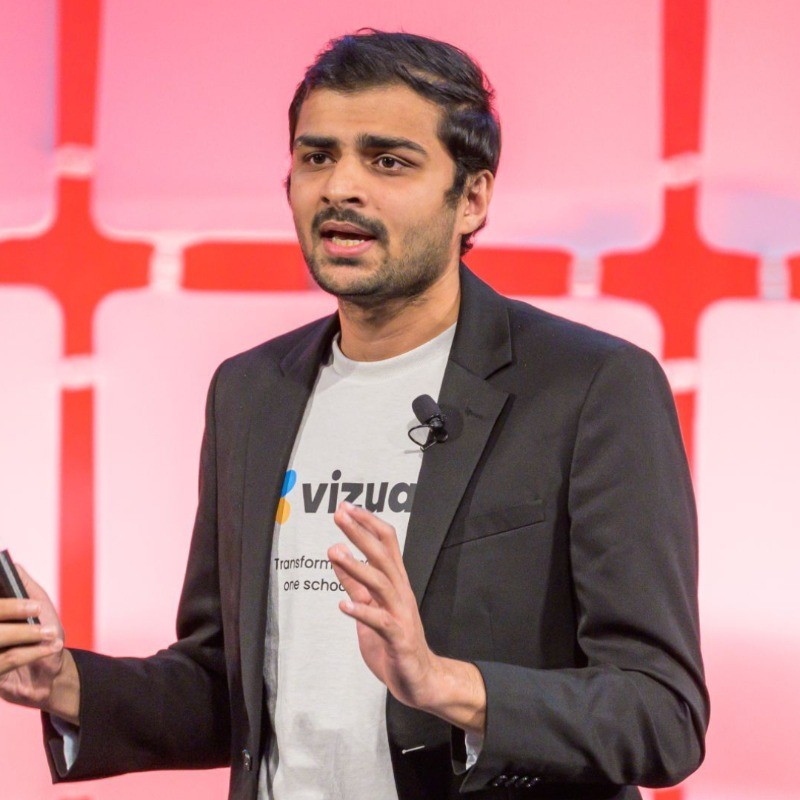
Dr. Raj Dandekar

Dr. Raj Dandekar

MIT

PhD graduate and AI/ML expert with extensive research experience.

Connect on LinkedIn
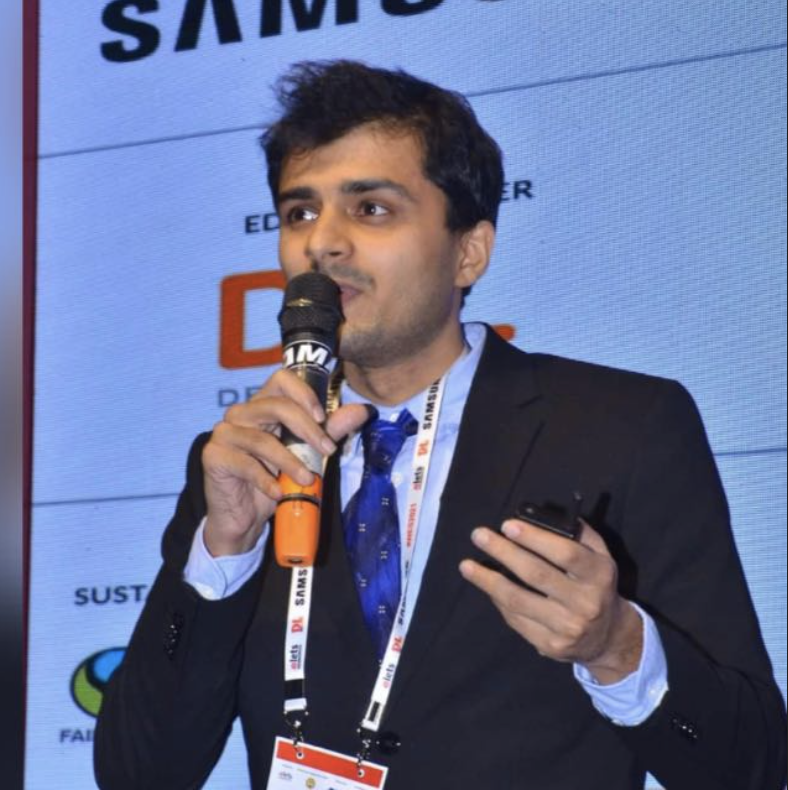
Dr. Rajat Dandekar

Dr. Rajat Dandekar

Purdue University

Department gold medalist from IIT Madras, PhD from Purdue.

Connect on LinkedIn
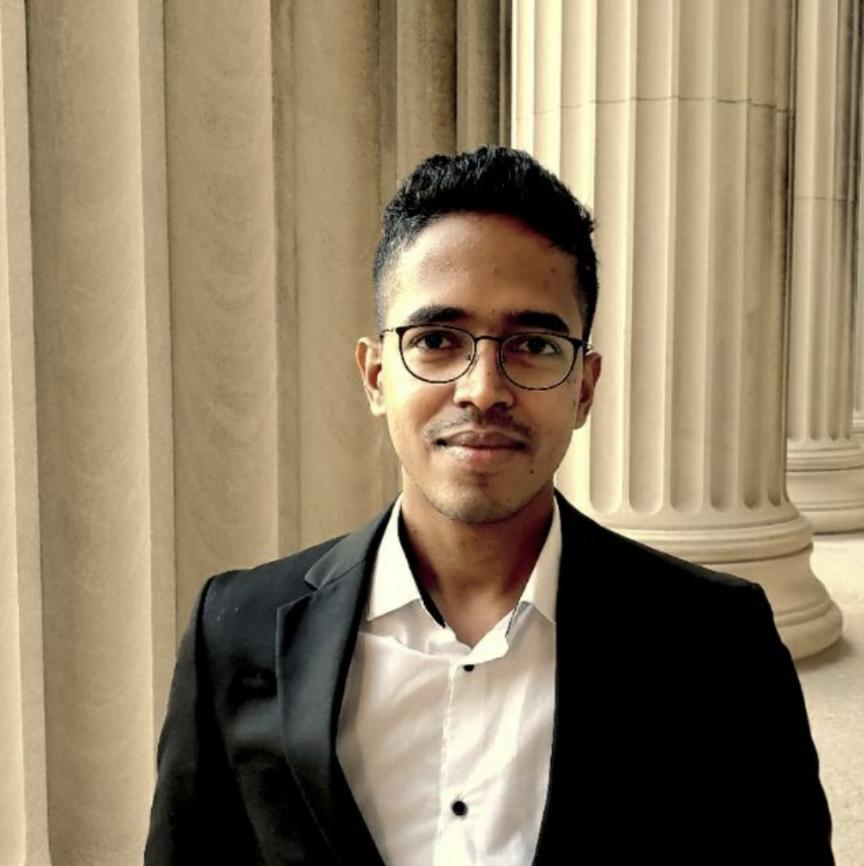
Dr. Sreedath Panat

Dr. Sreedath Panat

MIT

MIT PhD graduate and department gold medalist from IIT Madras.

Connect on LinkedIn
The Case for Starting Early

Why AI/ML for high school students?

AI is transforming our world at an unprecedented pace. Starting research early empowers students to become AI-ready citizens who can shape the future rather than just adapt to it. Early exposure to research builds critical thinking and positions students as innovators in the AI revolution.

i

College Application Advantage

Stand out in college applications by conducting high-impact research and gaining exposure through publications and prestigious conference presentations.

ii

Early AI/ML Foundation

Build a strong foundation in AI and machine learning concepts from an early age, giving you a head start in understanding the technologies that will shape the future.

iii

Research Experience

Gain hands-on experience with cutting-edge AI research and develop the critical thinking skills essential for scientific innovation.

Curriculum

A structured 7-week learning journey

A carefully designed progression from AI fundamentals to publication-ready research.

Week01
Lecture 1

Introduction to AI, Training and Evaluating a Simple AI Model

A brief history of AI, its pros and cons, and its real-world applications, then build, train, and evaluate a simple cat vs. dog classifier using Google's Teachable Machine.

Week02
Lecture 2

ML Vocabulary and Data Foundations

Build a working vocabulary of core ML jargon (overfitting, underfitting, training/test data, features, labels, and data quality) and get hands-on with Python libraries like Matplotlib and Pandas.

Week03
Lecture 3

Types of ML and Statistical Models

Explore the types of machine learning, supervised and unsupervised, along with traditional statistical models like linear regression and logistic regression.

Week04
Lecture 4

Neural Network and CV Foundations

Understand the limitations of traditional models, then learn what a neuron and a neural network are, followed by CNNs, their layers, a typical CNN architecture, and how to fine-tune a CNN.

Week05
Lecture 5

Computer Vision in Practice

Explore rule-based computer vision with OpenCV, including edge detection, motion detection, and face detection, along with an introduction to vision-language models (VLMs).

Week06
Lecture 6

Large Language Models and Prompt Engineering

Learn what an LLM is and how it works as a next-token predictor, covering tokens, temperature, one-shot/few-shot/multi-shot prompting, system prompts, and how to compare different LLMs, along with hallucination, the limitations of LLMs, and what an agent is.

Week07
Lecture 7

How to Read a Research Paper?

Learn how to read a research paper: its components, the importance of graphs, and citations, followed by a discussion of project ideas.

Phase 22mo
Research Phase

Independent Research

After the 7-week learning phase, students spend 2 months applying what they've learned to their own research project, working toward a publication-ready paper.

Published Work

Selected papers

Explore cutting-edge research published by our students in prestigious academic venues.

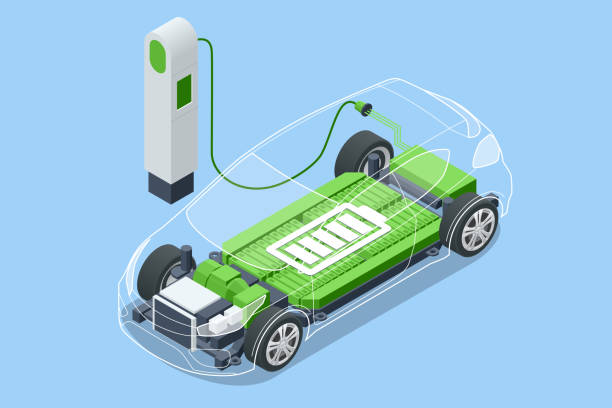
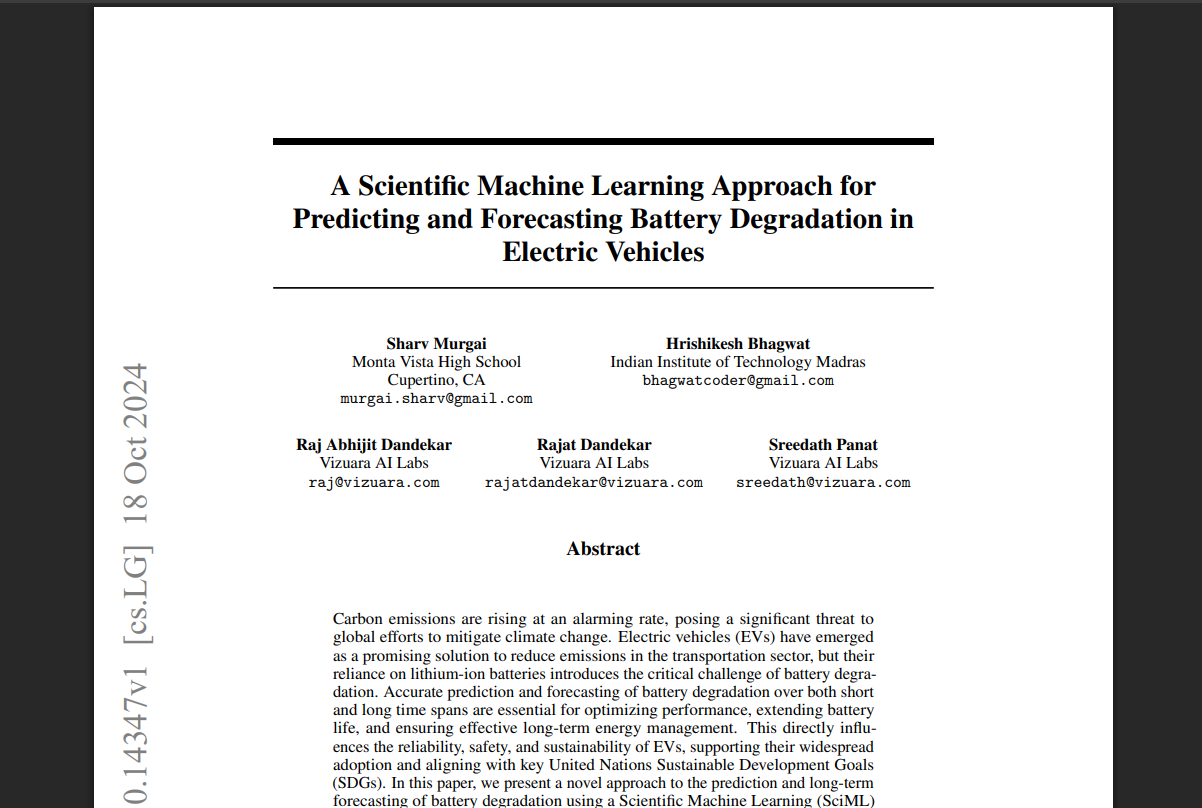
Battery degradation researcharXiv Preprint

A Scientific Machine Learning Approach for Predicting and Forecasting Battery Degradation in Electric Vehicles

Sharv Murgai, Hrishikesh Bhagwat, Raj Abhijit Dandekar, Rajat Dandekar, Sreedath Panat

A novel approach using a Scientific Machine Learning framework for battery degradation prediction in EVs, integrating domain knowledge with neural networks for sustainable transportation solutions.

2024 · arXiv:2410.14347 Read paper →
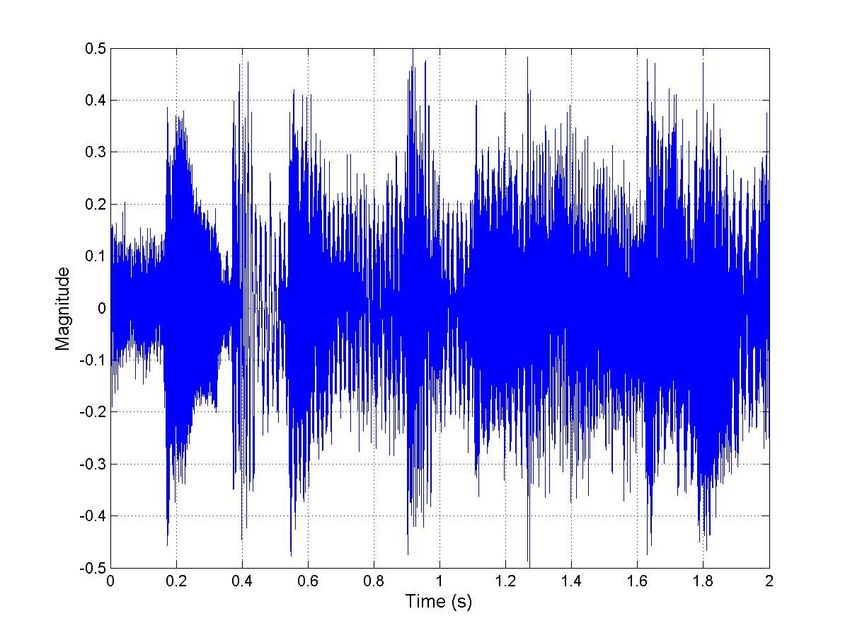
Music recommendation researchUnder Review · JEI

Enhancing Music Recommendation Systems with Regional Tune Recognition: Personalized Algorithms for Diverse Audiences

Tilak Bhimrajka, Sanchita Goel, Omkar Nitin Lalla

Developing personalized music recommendation algorithms that incorporate regional tune recognition to serve diverse cultural audiences with improved accuracy and user satisfaction.

2024 · Journal of Emerging Investigators
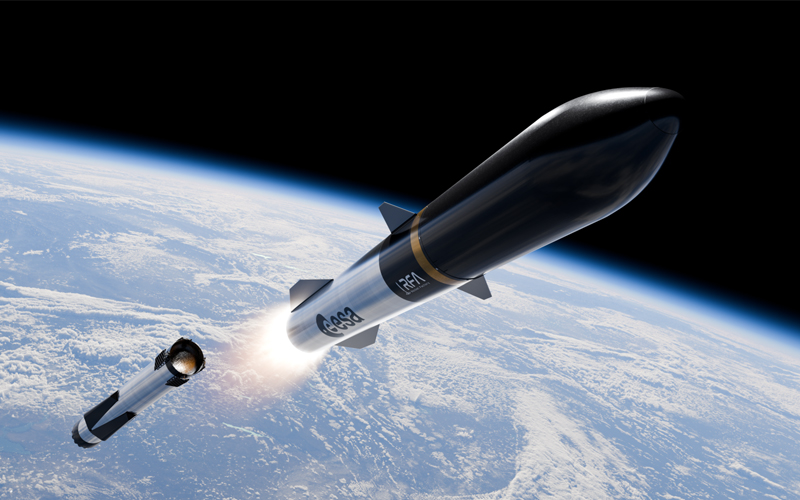
Rocket engine control researcharXiv Preprint

A Systematic Review and Analysis of Machine Learning Models in Liquid Rocket Engine Control

Malhar Gandhe

Comprehensive analysis of machine learning methods for rocket engine control, exploring supervised, unsupervised, and reinforcement learning approaches for space propulsion systems.

2024 · arXiv
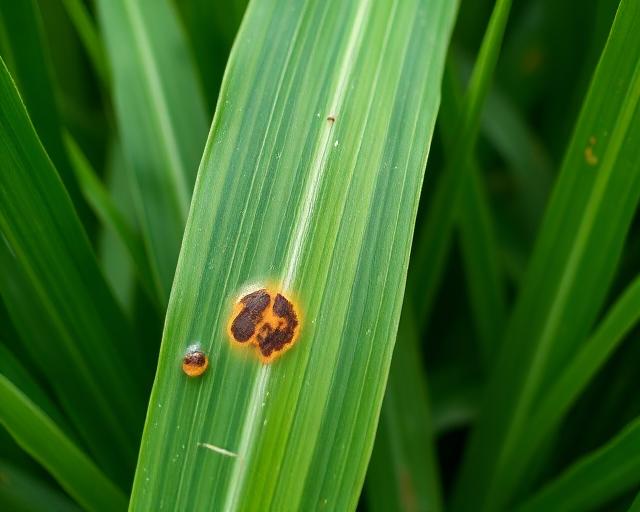
Rice leaf disease detection researchUnder Review · JEI

Comparing Rice Leaf Disease Detection Accuracy of AI Models

Avani Gupta, Vidhi Singhal, Deepti Vaidya

Comparative study of AI models for detecting rice leaf diseases including bacterial blight, brown spot, and grain rot, providing farmers with automated disease detection tools.

2024 · Journal of Emerging Investigators
Harmful algal bloom researchMIT URTC Poster

Enhanced Modeling of Harmful Algal Bloom (HAB) Growth Using Scientific Machine Learning

Kaizar Rangwala

Research exploring Scientific Machine Learning approaches including Neural ODEs and Universal Differential Equations for modeling and predicting harmful algal bloom growth patterns in aquatic environments.

2024 · MIT URTC Conference View Poster →
ML · FairnessPre-submission

Bias Amplification from Preference Data: A Controlled Study of ORPO/DPO on Small Language Models

Neha

A controlled comparison of ORPO/LoRA preference tuning under biased versus neutral training data on a small language model, measuring how training direction shifts a held-out biased-response preference rate.

2026 · Pre-submission
ML · HealthcareUnder Review · NHSJS

Interpretable Machine Learning for Heart Disease Prediction Using the UCI Cleveland Dataset

Vignesshwar Viswanathan, Vikash Chandra Mishra

An interpretable machine learning pipeline for cardiovascular risk prediction, comparing ensemble and linear models against a multilayer perceptron and using SHAP analysis to surface clinically plausible risk factors.

2026 · Under Review · NHSJS
?

Your paper belongs here

The next cohort's publications are waiting to be written. One of them could carry your name.

Start your paper
Proven Track Record

Already published. Proven results.

Our students are making real progress toward publication: some have already been published, others have submitted their work, and more are being prepared for submission.

Already achieved

Published Research

MIT URTC Conference 2024
Student presentations accepted
Published
arXiv Preprints
Scientific Machine Learning research
Published
Journal of Emerging Investigators
Harvard University affiliated journal
Published
Where we aim next

Target Publications

Journal of Emerging Investigators
Harvard University affiliated, peer-reviewed journal for high school research
MIT URTC Conference
Prestigious undergraduate research technology conference
arXiv Preprints
Cornell University's open-access repository for research papers
International Journal of High School Research (IJHSR)
Peer-reviewed journal dedicated to publishing original high school research
Journal of Student Research (JSR)
Multidisciplinary open-access journal for pre-college and undergraduate researchers
Student Success Story

From our cohort to UC Berkeley

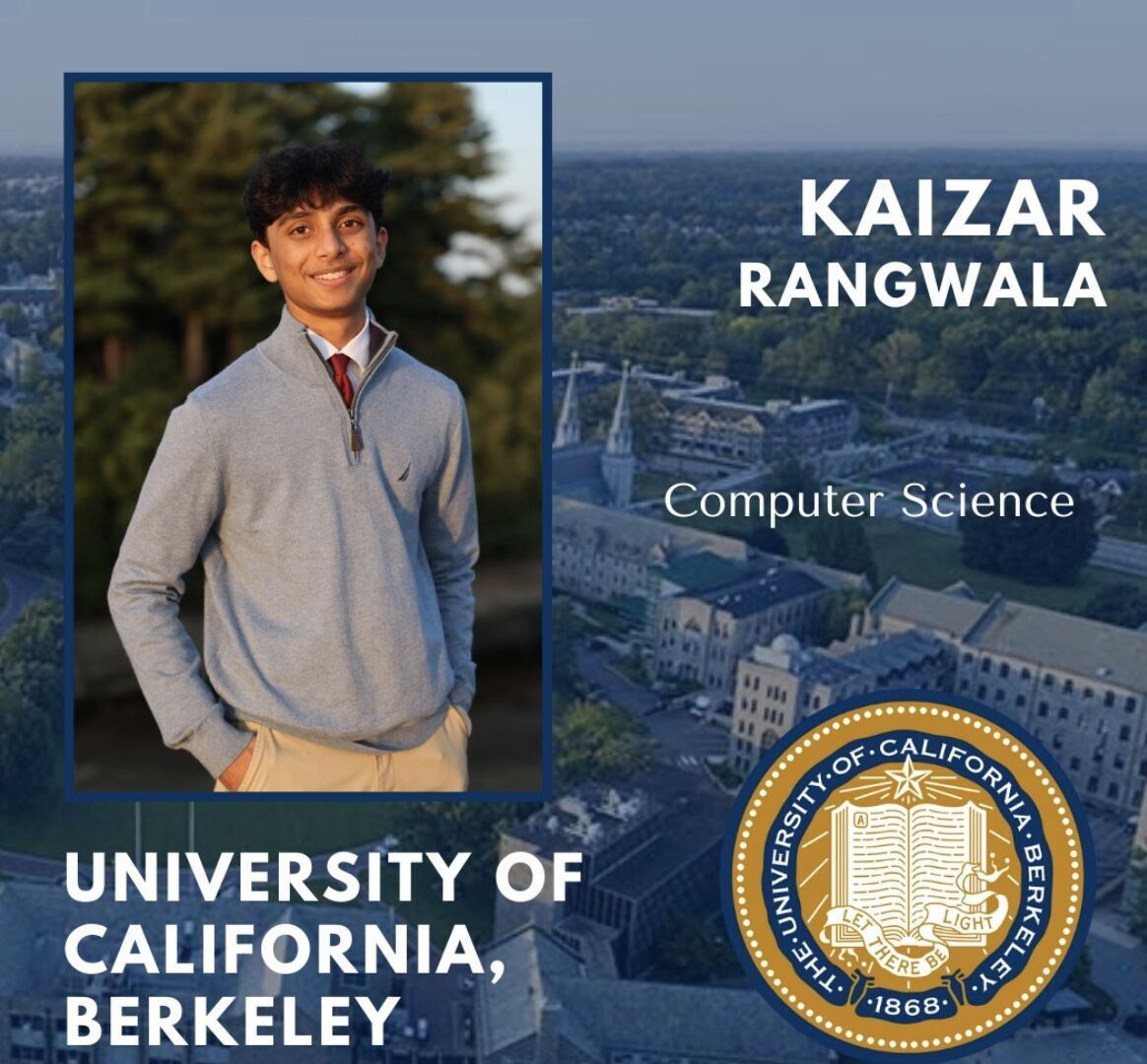
Hear from Kaizar Rangwala, who presented at MIT URTC and was admitted to UC Berkeley.

Presenting my research at MIT URTC changed how admissions officers, and how I, saw my potential as a scientist.
Kaizar Rangwala
Kaizar Rangwala
MIT URTC Presenter · Admitted to UC Berkeley
MIT URTC 2024 presenter UC Berkeley Computer Science
Mentors

Meet our lead instructor

Live lectures are delivered by Vizuara's AI/ML instructor team.

Vikash Chandra Mishra

Vikash Chandra Mishra

L2 Engineer, Vizuara AI Labs

Course instructor delivering the program's live lectures.

Connect on LinkedIn
Research Head

Guided by our Research Head

Every student research project is overseen by our Research Head, ensuring rigor from hypothesis to publication.

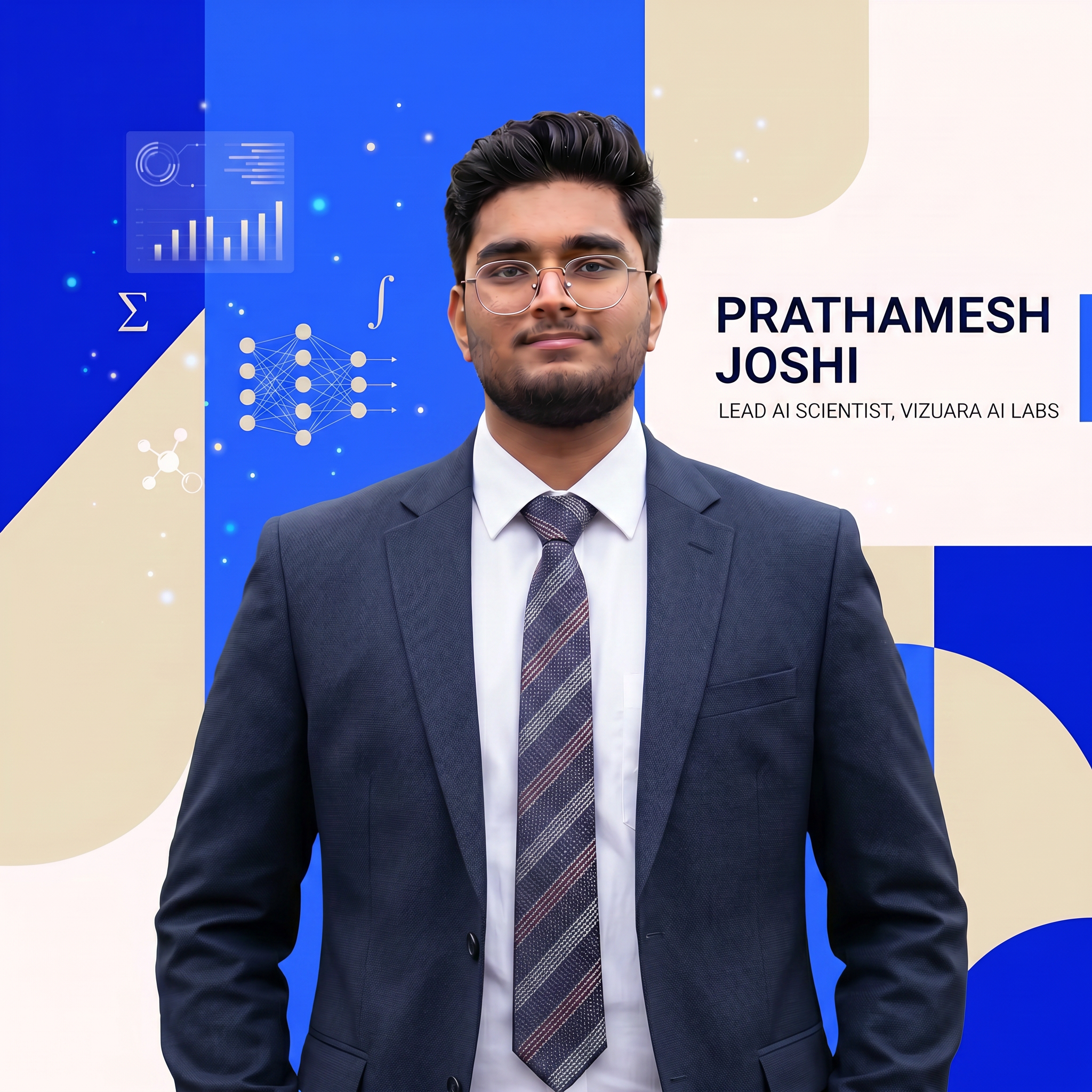
Prathamesh Joshi
Research Head

Prathamesh Joshi

Max Planck Institute alum · Generative AI & Scientific ML

Global Learning Community

Students from multiple countries

Join students from around the world in our diverse, international learning environment.

India flag
India
Mumbai, Delhi, Bangalore
United States flag
United States
California, New York, Texas
United Kingdom flag
United Kingdom
London, Manchester
Singapore flag
Singapore
Central Region
Australia flag
Australia
Sydney, Melbourne
Connecting minds across continents
Admission & Plans

Choose your learning path

Select the program level that aligns with your research goals and time commitment.

Foundation
₹25,000

Self-paced theoretical learning

  • Self-paced AI/ML course materials
  • Core theoretical concepts
  • Programming exercises
Join Now
◆ Best Value
Complete
₹95,000

Full program experience

  • 7 weeks of live lectures
  • Original research project
  • Publication & presentation opportunities
Join Now

Ready to start your research journey?

Join the next generation of AI researchers. Apply now for our exclusive program and publish your first research paper with expert guidance.

Correspondence

Get in touch

Ready to start your AI research journey? Contact our program director.

Dr. Rajat Dandekar

Dr. Rajat Dandekar

Program Director | Purdue University PhD
Frequently Asked Questions

Answers, annotated

Find answers to common questions about our program.

QWhat programming experience is required?+
Basic programming knowledge in Python is helpful but not mandatory. We provide foundational programming support as part of the curriculum.
QHow selective is the admission process?+
We maintain a selective admission process with a maximum of 8 students per cohort to ensure personalized attention and high-quality mentorship.
QWhat kind of research projects do students work on?+
Students work on real AI/ML research projects ranging from computer vision and natural language processing to healthcare applications and autonomous systems.
QAre the research papers actually published?+
Yes! Our students have successfully published in prestigious venues including the Journal of Emerging Investigators, presented at MIT URTC, and published on arXiv.
QWhat is the time commitment for the program?+
The live lectures require 1.5 hours per week for 7 weeks. Research projects typically require 3–5 hours per week depending on the scope and student's pace.